 Certified ISO 9001:2009
Certified ISO 9001:2009
Solar photovoltaic (PV) technology converts sunlight into electricity using solar panels, offering a clean and sustainable alternative to traditional energy. As awareness of environmental impact grows, solar PV is increasingly adopted for residential, commercial, and industrial use, reducing carbon emissions, lowering utility costs, and enhancing energy independence.
Grid-tied systems: This type of solar PV system is connected to the utility grid, allowing for excess electricity to be sent back to the grid. It's the most common type, providing cost savings and the ability to earn credits from the utility company.
Off-grid systems: These systems are independent from the utility grid and are designed to operate autonomously. They typically include battery storage to provide power during periods of low solar energy production, making them suitable for remote areas or locations without reliable grid access.
Hybrid systems: Hybrid solar PV systems combine the features of both grid-tied and off-grid systems, offering the benefits of grid connection along with battery storage for backup power. This setup is ideal for areas with intermittent grid access or where energy independence is a priority.
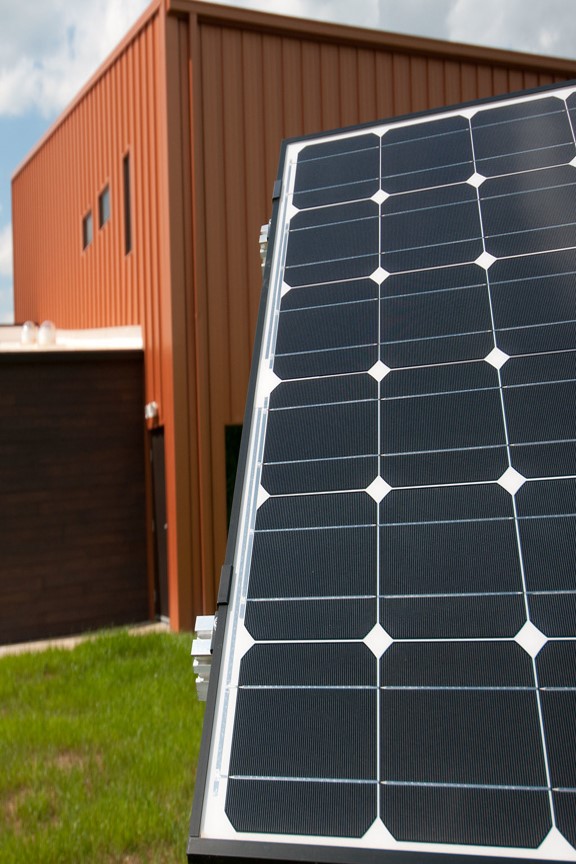
Solar photovoltaic (PV) technology harnesses the power of the sun to generate electricity. This clean and renewable energy source contributes to reducing greenhouse gas emissions and mitigating climate change.
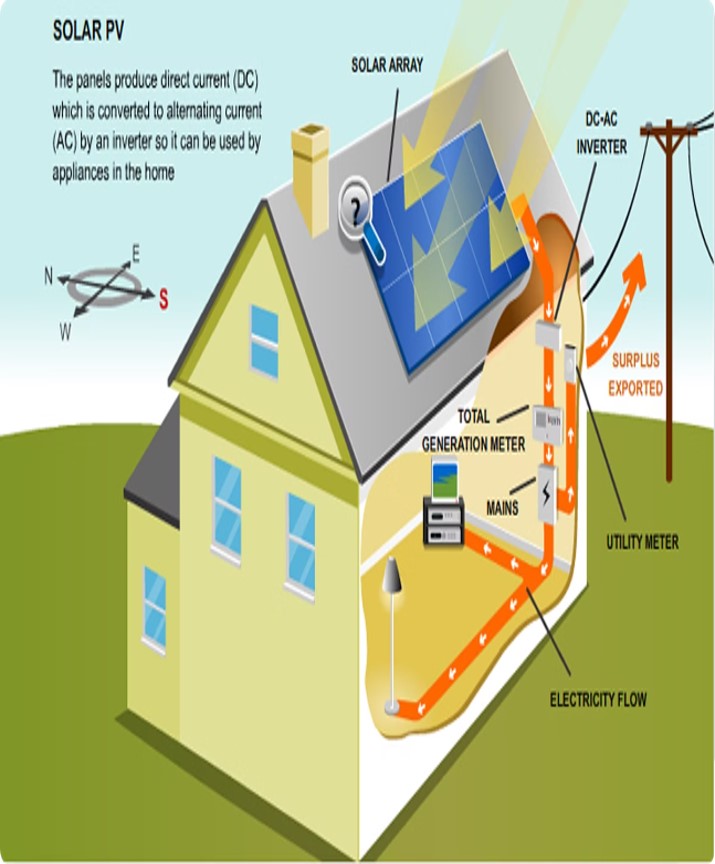
Solar PV systems produce direct current (DC) electricity when exposed to sunlight. This electricity is then converted into alternating current (AC) electricity through inverters for use in homes, businesses, and the grid.
Solar PV systems are modular, allowing for installation in various sizes to meet different energy needs. They can range from small rooftop installations to large utility-scale solar farms, providing flexibility and scalability.
Investing in Solar PV offers long-term financial benefits by reducing electricity bills, providing energy independence, and potentially increasing property value. Additionally, advancements in technology continue to improve efficiency and affordability.
Solar Photovoltaic (PV) systems transform sunlight into electricity using solar panels made of photovoltaic cells. These cells absorb sunlight and produce direct current (DC), which is converted into alternating current (AC) by an inverter for use in homes, businesses, or the grid. This efficient process provides clean, renewable energy, making Solar PV systems a favored choice for sustainable power generation.
Solar PV systems utilize renewable energy from the sun, reducing reliance on finite fossil fuels and contributing to environmental sustainability. By harnessing sunlight, solar PV provides a clean and sustainable energy source, thereby reducing carbon emissions and mitigating climate change.
Investing in solar PV can lead to significant cost savings on electricity bills over the long term. By generating your own electricity, you can reduce or even eliminate your dependence on grid-supplied power, offering financial benefits and insulation against rising utility costs.
Solar PV systems produce electricity with minimal environmental impact, as they generate no greenhouse gas emissions or air pollutants. This translates to improved air and water quality, reduced strain on natural resources, and a positive contribution to overall
By generating their own electricity, individuals and businesses can achieve a greater level of energy independence, reducing reliance on centralized utility providers and enhancing energy security. This decentralization of power generation contributes to a more resilient
