 Certified ISO 9001:2009
Certified ISO 9001:2009
Plate type heat exchangers are a highly efficient and compact way to transfer heat between two fluids. They consist of a series of thin, corrugated metal plates arranged in a stack, allowing for a large surface area and effective heat transfer.
Fluid Flow: The fluids flow in alternating channels between the plates, allowing for efficient heat exchange.
Heat Transfer: Heat is conducted through the thin metal plates, transferring energy from the hot fluid to the cold fluid.
Counter-Current Flow: The fluids flow in opposite directions, maximizing the temperature difference and heat transfer rate.
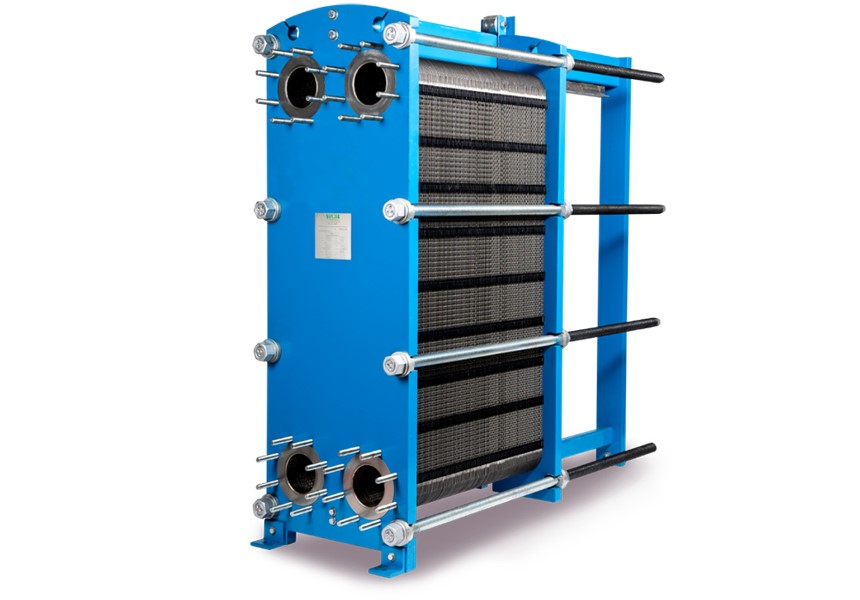
The thin, corrugated metal plates provide a large surface area for heat transfer.
Gaskets seal the spaces between the plates, preventing fluid leakage and mixing.
The frame holds the stack of plates together and provides structural support.
Plate heat exchangers can achieve very high heat transfer rates due to their large surface area and thin plate design.
The plate design allows for a smaller footprint compared to other heat exchanger types.
Plate heat exchangers are used in a wide range of industries, including HVAC, power generation, and chemical processing.
