 Certified ISO 9001:2009
Certified ISO 9001:2009
Heat pumps are highly efficient heating and cooling systems that transfer thermal energy between the inside and outside of a building. They work by moving heat rather than generating it, making them an eco-friendly and cost-effective alternative to traditional HVAC systems.
Heat pumps offer significant energy savings compared to traditional HVAC systems. They are highly efficient, using electricity to move heat rather than generate it, resulting in lower utility bills and a smaller environmental footprint.
In addition, heat pumps can provide both heating and cooling, eliminating the need for separate systems. Their versatility makes them a convenient, all-in-one climate control solution for homes and buildings.
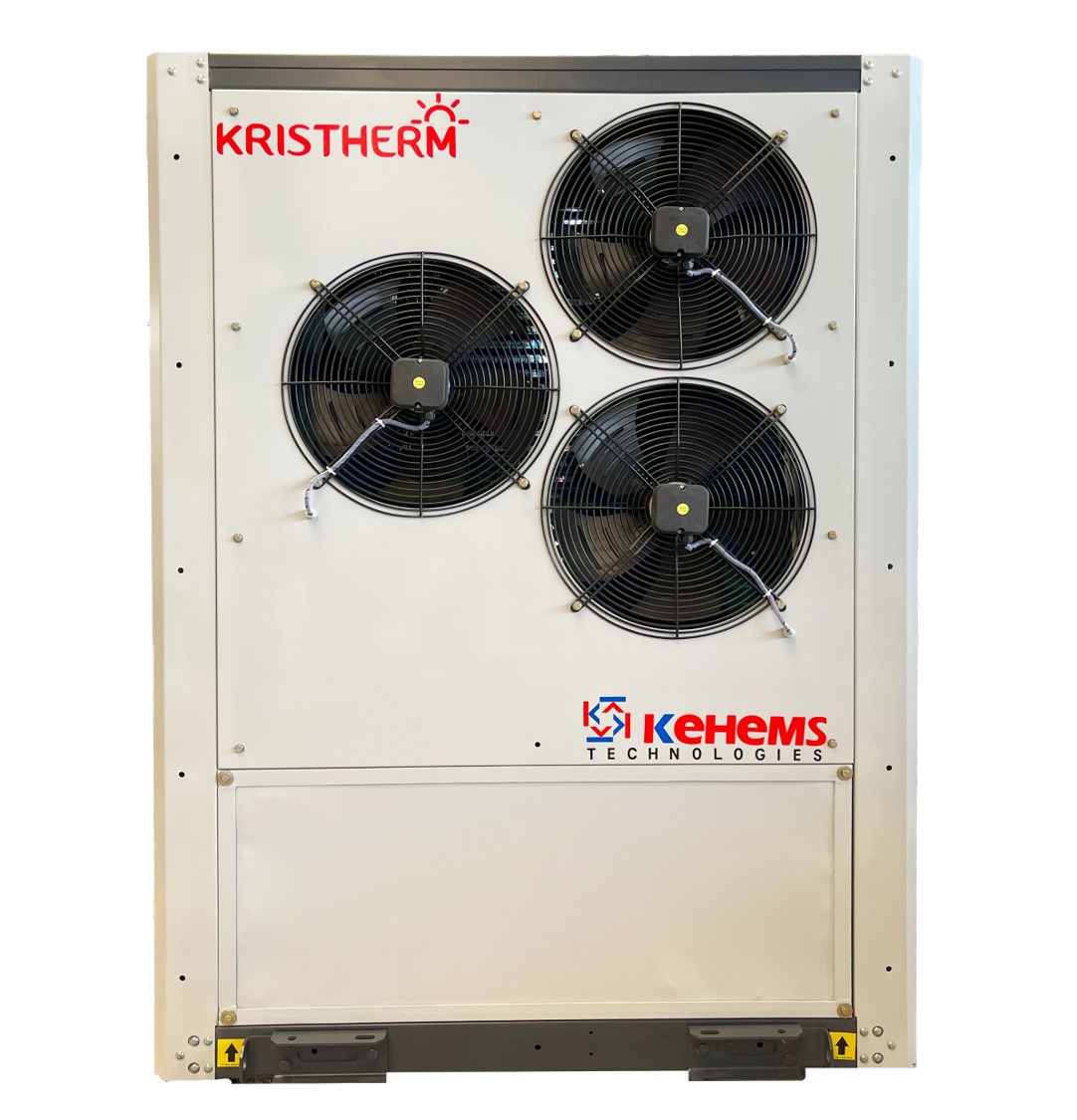
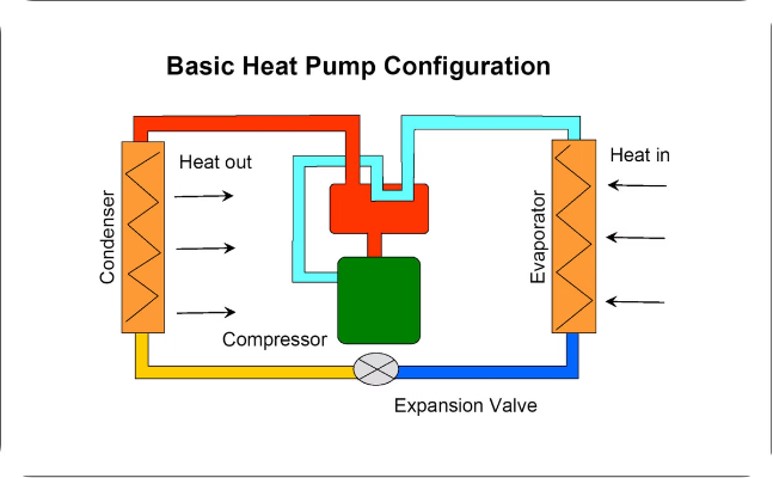
Heat pumps work by using electricity to move heat from one place to another, rather than generating heat directly. They transfer heat from the outside air, ground, or water into a building, providing efficient heating. In the summer, they can also reverse the process, moving heat from the building outside to provide cooling.
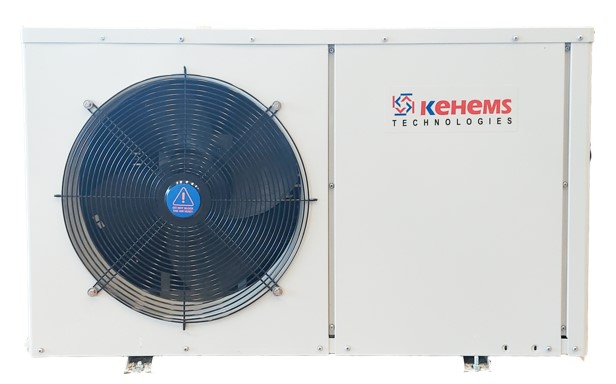
The most common type, using outside air to heat or cool the home
Range – 3KW to 1000KW
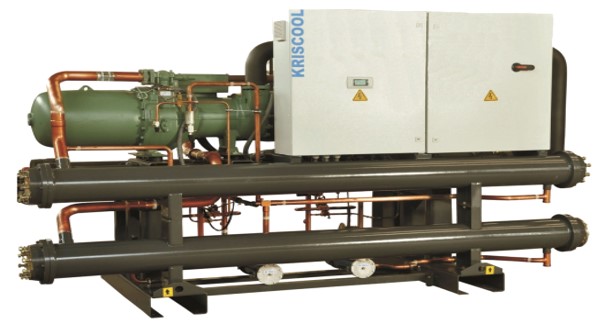
Water- Heat Pumps: Extract heat from a nearby body of water, such as from chiller return water, to heat or cool a building.
Range – 3KW to 1000KW
Heat pumps are designed to be highly energy efficient, with Seasonal Energy Efficiency Ratios (SEER) and Heating Seasonal Performance Factors (HSPF) that far surpass traditional HVAC systems.
Innovative compressor designs, like variable-speed and inverter-driven compressors, allow heat pumps to precisely match output to demand, reducing energy waste.
Heat pumps can efficiently move heat in both directions - from outside to inside for heating, and from inside to outside for cooling - maximizing efficiency.
By using electricity rather than fossil fuels, heat pumps have a much lower carbon footprint and contribute to a greener, more sustainable energy future.
