 Certified ISO 9001:2009
Certified ISO 9001:2009
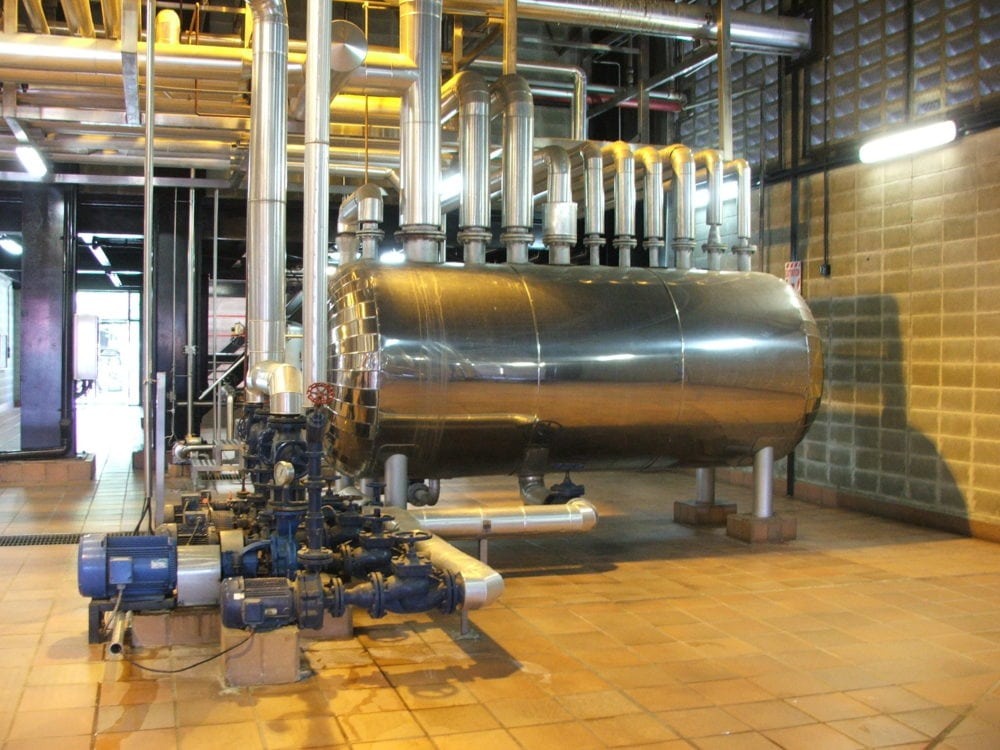
Water treatment plants are essential facilities that purify and clean raw water from sources like rivers, lakes, and reservoirs, making it safe for drinking, bathing, and other household uses. These plants utilize a multi-step process to remove contaminants and impurities, ensuring a reliable supply of clean, high-quality water for communities.
Raw water is drawn from the source and passed through screens to remove large debris and particles.
Chemicals are added to the water to cause small particles to stick together, forming larger, heavier clumps that can be more easily removed.
The water flows slowly through settling tanks, allowing the clumped particles to sink to the bottom. It is then filtered to remove any remaining impurities.
Water treatment plants ensure a continuous, high-quality source of clean water for communities, reducing the risk of waterborne illnesses.
The treatment process removes harmful contaminants, protecting aquatic ecosystems and preserving natural water sources.
Water treatment plants require skilled personnel, regular maintenance, and significant energy and resource consumption to operate effectively.
